As part of my educational journey and classroom duties during the academic year 2024–2025, I introduced the concept of Individualized Teaching in the TEFL classroom. I have long placed personalized learning at the heart of my educational philosophy. Concepts such as learner diversity, differentiated instruction, and emotional engagement have shaped my classroom practice for years. However, this year, I felt the strong need to revisit and reframe these values through a new lens — that of the teenage learner. Teenagers today face increasing levels of social disconnection, isolation, and emotional complexity. For this reason, we turned to clubbing as a powerful strategy to promote belonging, expression, and identity formation among our students.
We know that teenagers are navigating a complex phase — emotionally, socially, and cognitively. This made it essential for us to look beyond academic performance and find meaningful ways to connect with them as individuals. During the first seminar, we unanimously agreed that the initial step would be to conduct background reading on Individualized Teaching over the summer. This way, we would return to school at the beginning of the school year equipped with knowledge, ready to design targeted strategies and develop monitoring charts tailored to our students’ diverse needs.
Upon our return, each teacher submitted her research findings and proposed new classroom strategies related to diversity and differentiated teaching. As a team, we unanimously decided to begin the project with a student questionnaire aimed at gaining deeper insights into each learner’s personal profile — including their favourite subjects at school, academic struggles, interests, dislikes, hobbies, and other details relevant to teenage identity and development.
Fostering a Sense of Belonging in Teenagers
The second phase of our project focused on nurturing a sense of belonging, something especially critical for teenagers, many of whom struggle with social connection or self-identity during this stage of life.
As a team, we recognised that several of our teenage students appeared to feel lonely and isolated during classroom activities — a concern echoed by their responses in the initial questionnaires. To address this, we created special interest clubs, designed to bring together students based on shared passions and preferences. These clubs gave our teenage learners not just a chance to work on topics they enjoyed, but a safe space to form friendships and feel seen.
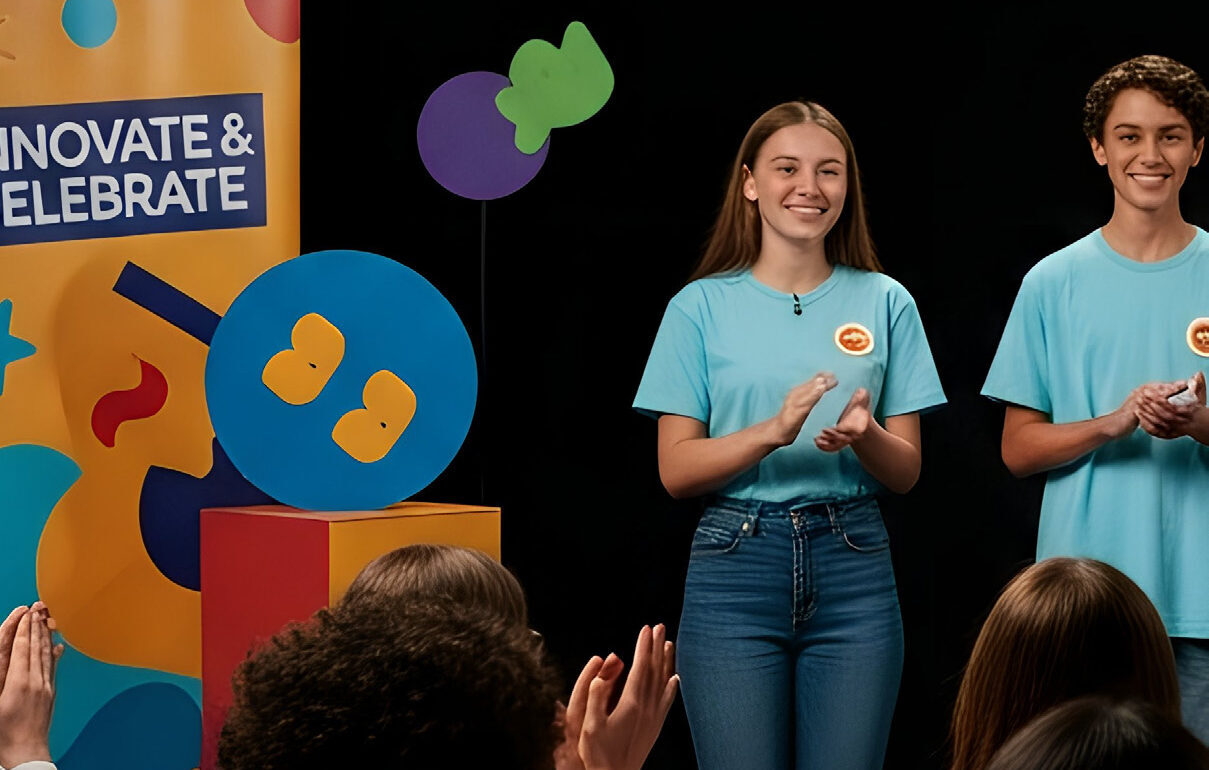
Among the clubs we formed were the Arts Club, History Club, Tennis Club, Theatre Club, and others. Each was assigned the task of preparing a project or presentation for our Welcome Club Festival, scheduled for the end of May. Although we were still weeks away from the final event, it became immediately clear that something powerful was happening: teenagers who had previously remained silent or withdrawn were becoming active, engaged, and excited. Their group work fostered team spirit, communication skills, and creativity.
Reflections and Advice for TEFL Colleagues Working with Teenagers
The Welcome Club Festival was far more than just an end-of-year celebration — it was a turning point for many of our teenage students. The clubs became the vehicle through which friendships were born and emotional walls were gently lowered. Teenagers who had once kept to themselves now worked side by side with others who shared the same interests. They had to approach each other with openness, to plan together, to overcome creative and interpersonal challenges, and to share in both struggles and victories.
Some of our loneliest teens stepped confidently onto the stage, presenting club projects with conviction and pride. Their classmates — and even their teachers — were genuinely surprised to see new dimensions of these students emerge. It was as if these teenagers had finally been given permission to shine in ways that traditional classroom structures hadn’t allowed.
To my TEFL colleagues who are concerned about disengaged, silent, or socially isolated teenagers in their classes: I urge you to experiment with interest-based projects or clubs. These structures allow teens to express themselves more fully, form genuine connections, and take ownership of their learning. Belonging, we’ve learned, can’t be forced — but it can be cultivated through shared purpose, creativity, and space to grow.
Sustaining the Vision
It is of utmost importance that the Welcome Club Festival and the overall clubbing initiative become embedded in our school’s syllabus and broader educational philosophy. This year’s progress — the friendships built, the confidence developed, the sense of community nurtured — risks fading away unless we continue.
This is not a one-off event. Creating a sense of belonging is an ongoing process that requires commitment and consistency. At the beginning of the school year, the clubs must continue. Students need opportunities to renew and strengthen their connections, and new learners should be welcomed into this structure of support and self-expression. Without follow-up, the spark we lit last year may fade. With dedication, however, we can turn it into a flame that warms the classroom all year long.
Conclusion: Seeing Our Teenagers Fly
This journey into personalized learning has shown us that teaching teenagers means understanding more than their linguistic needs. It requires attention to their emotional growth, their desire for belonging, and their silent call for connection. Our project reminded us that beneath the surface of every teenage learner lies a voice waiting to be heard and a person hoping to be understood.
By individualizing our teaching and giving teens a stage — both literally and metaphorically — we witnessed their transformation. The friendships they formed, the roles they took on, and the confidence they displayed were the most authentic indicators of success. For every lonely teenager in our TEFL classrooms, there lies the possibility not only to learn, but to connect, contribute, and fly — if only we create the space.