
Teaching vocabulary has never been easy. What looks like a simple list of words to memorize is, in fact, one of the hardest and most important parts of learning a language. Words are the raw material of communication; the building blocks that shape our thoughts, our understanding, and our ability to connect with others. Yet in many classrooms, vocabulary teaching still sits in the background, treated as something secondary to grammar or reading. It’s time to change that perspective and give vocabulary the attention it truly deserves.
For generations, vocabulary teaching has relied on memorizing themed lists: “animals,” “professions,” “food.” It’s a familiar method and not without value, especially for beginners. But its limits are clear. Words learned in isolation rarely stay with us for long. They may live for a moment in short-term memory and then quietly disappear. Even when remembered, they often remain “passive”. We recognize them when we see them, but struggle to use them naturally in conversation or writing. Learning vocabulary shouldn’t just be about how many words we know, but how confidently and meaningfully we can use them.
Research over the past few decades has shown that context is everything. Words come alive only when used in real situations. They thrive in sentences, stories, songs, and jokes; in the messy, emotional, human side of language. A word met in a song lyric or a funny conversation sticks far better than one on a flashcard. That’s why teachers should help students meet words in living contexts: through authentic texts, films, games, or shared projects. When vocabulary is tied to emotion and purpose, it becomes something we own, not just something we remember.
Equally important is helping students see how words work. Recognizing roots, prefixes, and word families gives learners the tools to grow their vocabulary on their own. Realizing that write connects to writer, rewrite, and description gives a sense of structure and possibility. Language stops being a list to memorize and becomes a system to explore. In a world where new words appear every day, this kind of linguistic curiosity and flexibility is essential.
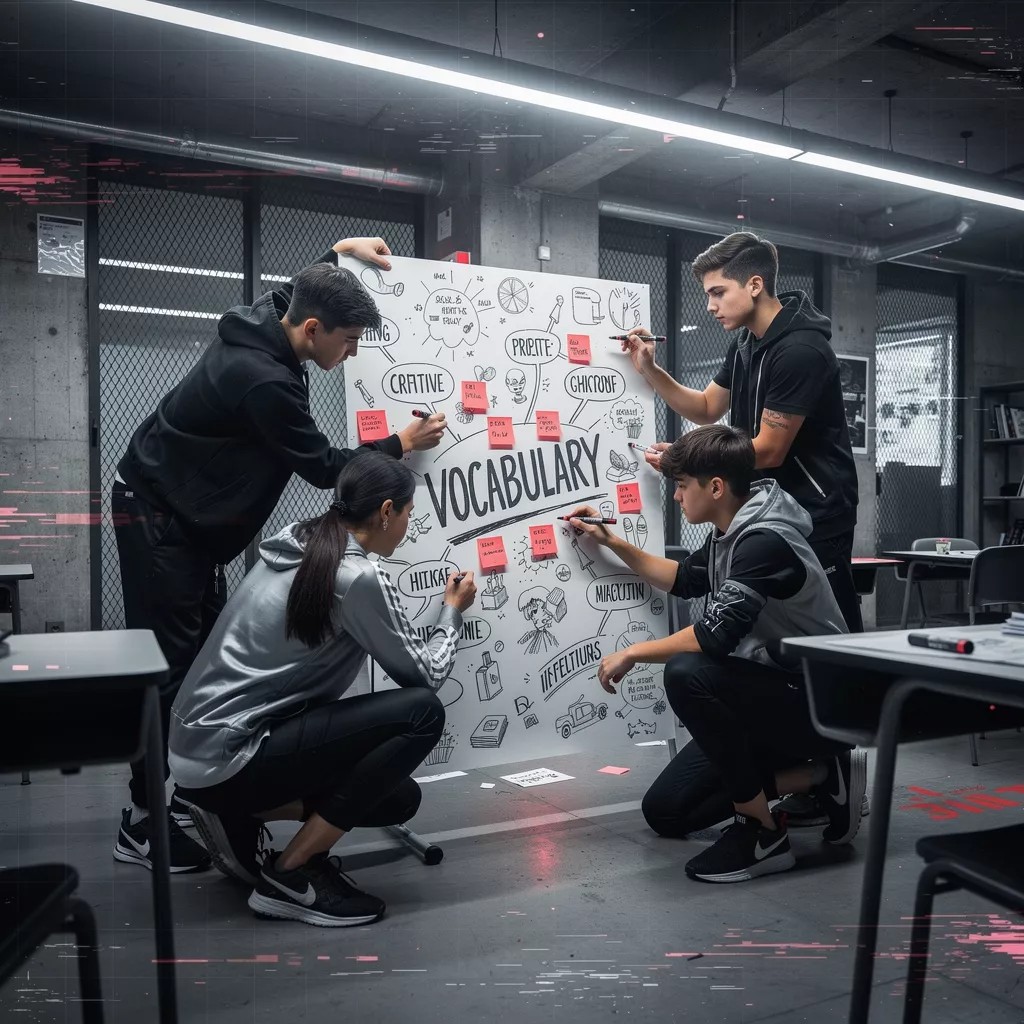
There’s also the emotional side of vocabulary. It’s something we often overlook. Words aren’t just sounds or symbols; they carry memories, feelings, even parts of who we are. Some words make us smile; others bring back moments or places we thought we’d forgotten. If vocabulary teaching is reduced to mechanical drills or translation exercises, we risk killing the very joy of language. But when students get to play with words, invent stories, make mind maps, write short poems or jokes, they connect with language in a much deeper way. The teacher becomes less of an instructor and more of a guide, helping students discover the living pulse of words.
Technology can certainly help. Digital flashcards, interactive apps, and online language databases make it easier to practice and track progress. They can personalize learning in ways that old textbooks never could. But we should remember that technology is only a tool. No app can replace the laughter, empathy, and real conversation that happen between people. Words are social by nature; they belong to voices, faces, and shared experiences. The best learning happens when digital tools support, not replace, that human exchange.
Teaching vocabulary also means teaching. Words shape how we see the world and how we treat others. They can include or exclude, empower or wound. Helping students think about language, about where words come from, how they evolve, and how they can be used respectfully, is part of preparing them to be thoughtful citizens in a multilingual, connected world.
In the end, teaching vocabulary isn’t about stuffing students’ heads with more words. It’s about giving them keys; keys that open doors to new ways of thinking, feeling, and belonging. It’s a slow, sometimes challenging process, but also a profoundly human one. It demands patience, creativity, and empathy.
Putting vocabulary back at the heart of language teaching means forming not only competent speakers, but people who understand the power of words; people who can use them to express themselves clearly and listen to others deeply. And maybe, in an age of rushed messages and simplified communication, teaching how to use words with care and sensitivity is one of the most meaningful things we can do as educators.