In a small rural high school in southern Greece, a bold idea took root—what if teenagers could transcend borders and connect through real conversations in English, not just in theory, but in practice? That question gave birth to Global Chatmates, an international eTwinning project designed to empower teen learners to use English in authentic intercultural communication.
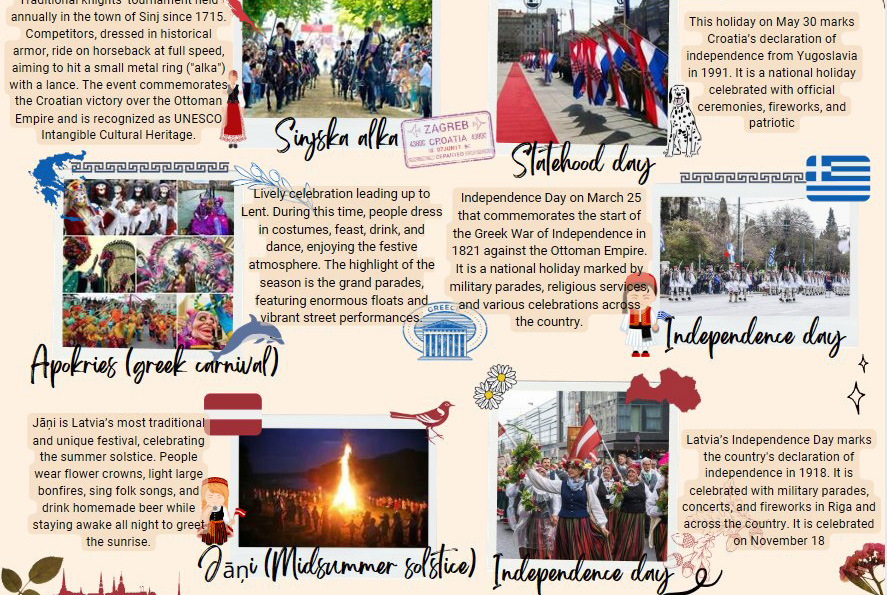
After a successful first edition in 2023–2024 with students from countries as far away as Croatia, Jordan, Kyrgyzstan, and Peru, the project returned in 2024–2025 as Global Chatmates 2.0: Bridging Cultures from Europe to Latin America. This time, students from Greece and Croatia were joined by new peers from Latvia, Brazil, and Chile. The mission remained unchanged: connect teens across continents through monthly themed video discussions on topics like culture, education, history, art, religion, and traditions.
But Global Chatmates is more than a language project—it is a model of what teaching teens can become when emotional, social, and cognitive development is placed at the heart of language learning.
Interactive Methods That Matter
Engaging teenagers means moving beyond textbooks and giving them voice, choice, and enhanced digital skills. In Global Chatmates, students worked in small international groups, independently arranging Zoom video chats outside school hours. They used Time Zone Converter to find appropriate meeting times, WhatsApp to communicate, Canva and Padlet to create collaborative projects, Google Drive to share material, Mentimeter, and Kahoot to assess and reflect.
Teachers didn’t lead; they facilitated. Weekly topics were provided in advance, but the teens owned the conversation. They researched, prepared, and then recorded their meetings to upload to a shared cloud. Teachers later watched the recordings, provided feedback, and monitored intercultural dynamics.
This approach—project-based, student-led, and tech-enhanced—allowed teens to engage deeply while developing 21st-century skills: collaboration, critical thinking, digital literacy, and self-reflection.
Supporting Teen Growth: Emotional, Social, Cognitive
Adolescents need more than grammar drills. They crave connection, meaning, and relevance. Global Chatmates gave them all three.
Emotionally, students built real friendships across the globe. They laughed, stumbled through misunderstandings, and discovered surprising common ground.
Socially, they learned to listen, ask respectful questions, and navigate cultural nuances. Stereotypes were challenged, empathy was built.
Cognitively, students improved their English fluency, but also sharpened research and presentation skills. They developed global awareness and curiosity.
Working across time zones and cultural contexts required adaptability and problem-solving. Students learned to manage logistics, handle miscommunication, and meet shared goals—skills that no worksheet can teach.
Promoting Independence and Critical Thinking
By placing students at the center, Global Chatmates cultivated independence. Teens weren’t just passive learners; they were cultural ambassadors, researchers, team coordinators, and digital creators.
Each group was responsible for shaping its meetings, ensuring inclusive participation, and reflecting afterward. In post-meeting worksheets, they evaluated what went well and how they could improve. This self-assessment process helped students think critically— not just about language, but about themselves as learners and communicators.
At the project’s end, each student created a personal project—presentation, video, or creative reflection—summarizing their experience. These final products captured not only language growth but emotional depth and cultural insight.
Real-World Impact in the Classroom and Beyond
The impact was profound. Students reported greater confidence in English, a stronger sense of identity, and a newfound interest in international topics. Many expressed a desire to travel, explore other cultures, and maintain friendships with their chatmates.
For teachers, the project was equally enriching. It fostered professional growth, inspired new pedagogical practices, and created an international network of collaboration. The recognition of the project with National Quality Labels from all eTwinning participant countries – Greece, Croatia, Jordan, and Latvia – further affirmed its educational value.
In addition, Global Chatmates also opened doors beyond the classroom. Its success helped Geniko Lykeio Thourias secure its first Erasmus+ student mobility, allowing Greek students to meet their Croatian partners in person—proving that digital projects can lead to real-world transformation.
Key Takeaways for Teaching Teens
So, what can Global Chatmates teach us about working with teens?
- Give them purpose: Teens engage when tasks feel real and meaningful. Speaking English to make friends across the world? That’s motivation.
- Trust them with responsibility: Let them organize, lead, and reflect. They’ll rise to the challenge.
- Embrace cultural diversity: Intercultural exchange deepens learning and fosters empathy.
- Integrate digital tools meaningfully: Use platforms like Padlet, Canva, Zoom, and Mentimeter not just for novelty, but for authentic collaboration.
- Focus on connection, not perfection: The real success lies in building bridges, not just accurate sentences.
Conclusion: A Teen-Centered Vision of Language Learning
In a time when teens often feel isolated, Global Chatmates reminded them—and us—that learning can connect hearts as well as minds. By creating space for authentic dialogue, cultural discovery, and collaborative creation, we don’t just teach English. We empower young people to find their voice in a global community.
And that may be the most important lesson of all.