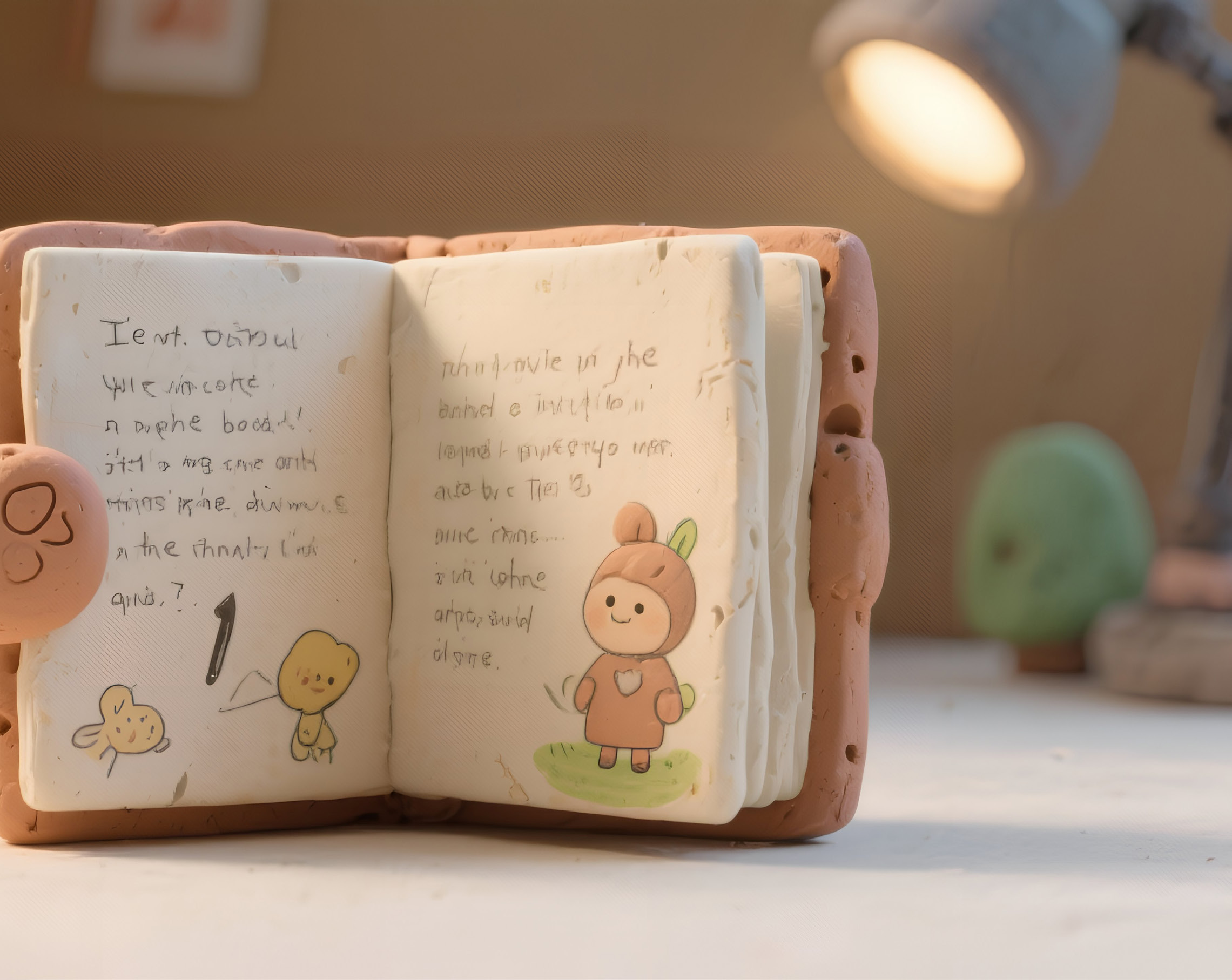
A creative-writing activity built around a single A4 sheet folded into a tiny book. Designed to increase writing fluency, strengthen basic structure, and raise learner engagement across age groups.
Why one page? The pedagogy in one breath
A constrained, one-page format reduces the cognitive burden of long-form composition and invites students to produce rather than stall in planning and editing. When transcription (handwriting/typing) and surface-level mechanics become more automatic, writers can allocate mental energy to idea generation and structure, which is the core of writing fluency. Research argues that promoting lower-level fluency (transcription, automatic spelling/handwriting) frees working memory for higher-order composing processes. (Frontiers)
Timed, repeated and short drafting practices (freewriting, sprint-writing, repeated sentence/paragraph practice) reliably improve writing fluency and production rates in elementary and adolescent writers; the tiny-book format gives a practical, publishable container for those short bursts. (Iowa Reading Research Center)
What the Tiny Book Project is
Students use one A4 sheet (landscape or portrait) to produce a tiny book: fold, cut, or template the page so it becomes 8 small pages (or 4) depending on the fold. Each face or mini-page becomes a writing “slot”; one sentence, one paragraph, one micro-scene, or a short poem. Final products are 15 collated into a classroom “tiny library” for peer reading and celebration. Practical templates and step-by-step folding instructions are widely used by literacy educators and are straightforward to prepare. (Scottish Book Trust)
What This Supports
• Writing fluency: increases words produced per minute and strengthens drafting habits via short, frequent composition cycles. (Iowa Reading Research Center)
• Micro-structure: practices paragraphing, lead-sentence/ closing-sentence skills, and narrative arc at a micro-scale (beginning–middle–end in a few sentences).
• Editing & revision habits: teaches single-page revision cycles—draft → targeted feedback → final copy—so feedback is frequent and manageable. (PMC)
• Engagement & motivation: owning a “published” tiny book raises meaningful purpose and audiences for writing, which motivates reluctant writers. (digitalcommons.unl.edu)
Step-by-step classroom procedure (one 45 to 60-minute lesson; adaptable)
Materials
• One A4 sheet per student (heavier paper optional), pens/pencils, colored pencils/markers.
• A simple folding template printed or modeled on the board. (See Scottish Book Trust “mini-book from one sheet” for templates.) (Scottish Book Trust)
Sequence
1. Warm-up (5–8 min): 2–3-minute timed free write or sprint on a prompt (e.g., “The tiny door appeared when…”) to stimulate ideas. Emphasize quantity not quality. (research.ucsb.edu)
2. Planning (5 min): Quick mapping: assign each mini-page a role (title, opening line, conflict, twist, ending, illustration). Keep planning to one sticky-note.
3. Drafting (10–15 min): Students draft directly into the tiny-page slots or on scrap, aiming to fill the pages. Use 3–5-minute focused intervals to encourage rapid production. (Iowa Reading Research Center)
4. Peer or teacher mini-conference (5–8 min): Short, focused feedback—one or two specific goals (clarify opening sentence/ strengthen ending / vary sentence starts). Research supports targeted feedback and short conferences for fluency growth. (PMC)
5. Final copy & illustration (8–12 min): Students produce their neat version on the A4, adding small illustrations to support meaning.
6. Publishing & sharing (remaining time or following lesson): Bind/display books in a class corner or read aloud in small groups.
Differentiation across age groups
• Early primary (5–8 yrs): Use the tiny book as a sentence-book — one sentence per mini-page plus picture; teacher models sentence structure and provides word banks. Use picture prompts and heavy emphasis on phonics/ spelling supports. (Teachers Pay Teachers)
• Upper primary (9–11 yrs): Aim for simple narrative arc: title, opening hook, problem, solution, ending. Introduce peer-feedback checklists: “Is there a beginning, middle, and end?” and a two-point editing focus (capitalization/ punctuation OR clarity/vocabulary). (ERIC)
• Adolescents & adult learners: Use the format for flash nonfiction, micro-essays, opinion mini-tracts, or condensed research summaries. Pair timed drafting with quick instructor modeling of concise revision strategies (cutting 20% of text for clarity). (Frontiers)
Engaging reluctant writers—practical moves
• Short, achievable tasks: The one-page limit reduces intimidation; students perceive the task as doable. Evidence shows reducing task size and chunking increases participation. (digitalcommons.unl.edu)
• Frequent, specific feedback: Short conferences and focused feedback increase writing rates and growth. Aim for feedback that targets one or two high-impact items rather than exhaustive correction. (PMC)
• Public purpose: “Publishing” even a tiny book creates authentic audience and pride—pair with class book exchanges or a display shelf. Classroom micro-publishing services and ideas (student-centered publishing platforms) amplify motivation. (Studentreasures Publishing)
• Choice & multimodality: Offer choices for genre (poem, comic, how-to, diary); allow mixed media (drawings, captions) so students can express strengths beyond writing alone. (The Inspired Classroom)
Assessment & formative checks
Keep assessment simple and supportive:
• Fluency metric: Words (or ideas) produced in the drafting sprint; track growth across weeks. Timed repeated practice shows measurable gains. (Iowa Reading Research Center)
• Micro-rubric: 3-point checklist (1) Clear beginning, (2) Clear middle, (3) Clear ending /one new vocabulary or sentence structure used.
• Portfolios: Keep tiny books in a term portfolio to show progress in fluency and craft.
Classroom management tips & logistics
• Pre-cut or fold a few templates for students who need help with fine-motor folding. (satcblog.com)
• Rotate roles: peer-editor, illustrator, designer -this increases engagement and distributes responsibilities.
• For larger classes, stagger publishing displays so each student’s work is spotlighted at least once.
Evidence summary (why this will work)
1. Lowering cognitive load by constraining the task gives students more working memory to focus on generating ideas and structuring text; promoting transcription fluency leads to better composition. (Frontiers)
2. Timed, repeated writing and freewriting increase production and reduce writer-block; these methods align naturally with short, frequent tiny-book cycles. (Iowa Reading Research Center)
3. Targeted feedback and writing conferences produce measurable gains in elementary writing fluency and editorial habits. (PMC)
4. Motivation techniques (authentic audience, small wins, choice) are effective for reluctant writers and are built into the tiny-book workflow. (digitalcommons. unl.edu)
Quick starter prompts (pick one)
• “If my pocket could talk, it would say…”
• “Three things I know about the moon that nobody believes…”
• “The day the rain forgot how to stop…”
• “How to survive a classroom with only a paperclip…”
Final note
The Tiny Book Project converts pedagogical principles -fluency-building, reduced cognitive load, focused feedback, and authentic audience- into a low-prep, high-reward classroom routine. Because it’s portable across ages and subjects, it’s especially useful for regular fluency practice: short, frequent, scaffolded, and celebratory.
Bibliography (selected — current & classroom-friendly)
• López-Escribano, C., et al. (2022). Promoting Handwriting Fluency for… Frontiers in Psychology (pdf). (Frontiers) Most recently retrieved 29/09/2025
• Truckenmiller, A. J., et al. (2014). Evaluating the Impact of Feedback on Elementary Aged Students’ Writing Fluency. Evidence from a randomized trial. PMC/NCBI. (PMC) Most recently retrieved 29/09/2025
• Shanahan, T. (2025, May 3). How to Teach Writing Fluency. Shanahan on Literacy (blog). (Shanahan on Literacy) Most recently retrieved 29/09/2025
• Scottish Book Trust. How to make a mini book. Classroom activity & templates. (Scottish Book Trust) Most recently retrieved 29/09/2025
• Turner, A. R. (2015). Motivating Reluctant Writers: A Cumulative Research Project. University of Nebraska Digital Commons. (digitalcommons.unl.edu) Most recently retrieved 29/09/2025
• Rodgers, D. (2018). Using Timed Practice with Repeated Writings to Promote Sentence-Writing Fluency. IRRC Education blog. (Iowa Reading Research Center) Most recently retrieved 29/09/2025
• Elbow, P. Freewriting. (pdf/resource) — classic practitioner resource on freewriting as fluency practice. (research.ucsb.edu) Most recently retrieved 29/09/2025
• Classroom/teacher resources and how-to pages (Scottish Book Trust; The Inspired Classroom; The Primary Planet) — practical templates and examples for one-sheet mini-books. (Scottish Book Trust) Most recently retrieved 29/09/2025