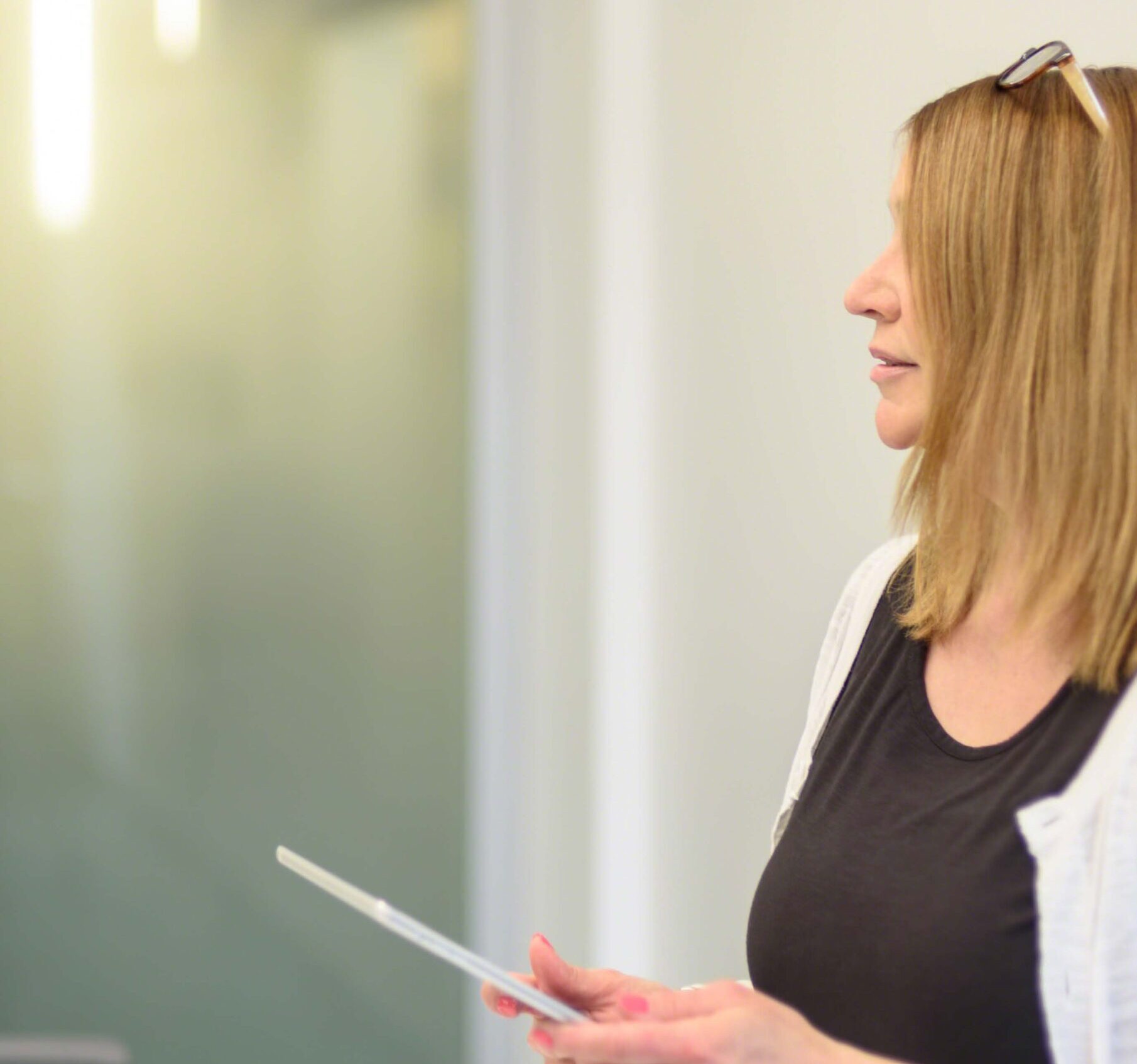
Class observations (called peer observations in certain contexts) are processes through which a tutor who does not normally teach the specific student group/ class observes a class in action to see how the teacher, the learners, the materials interact with each other on a given time frame and at a given place, through a certain format (my definition). They are often associated with feelings of stress and concern for the tutor observed and can create a sense of uncertainty due to lack of knowledge about what is going to happen, why observations are conducted, what the process is and what can they lead to in terms of tutor’s future in their position and their daily work routine.
This article will examine observation types available and focus more on the type that I consider to be the least known one, namely the ‘blind’/’ghost’/unobserved observation.
A considerable CPD opportunity provided through a range of formats
Ding and Bruce (2017) refer to Elsted (2012), who stresses the need for teachers to assume responsibility for their ongoing development and pursue various types of collegial support for their development. In their they talk about the complexity and multi-faceted process of accessing knowledge of practice and engaging with a specific teaching community, that of the English for Academic Purposes (EAP) community, but this complexity and multi-faciticity applies to all ELT contexts. Being involved in class observations is one of several ways of pursuing professional engagement in any teaching context.
In the section below, you can read about observation types and consider which one(s) would work best in your own teaching contexts.
A) Face-to-face observations
An observer is physically present and observes a whole session or a significant part of a face-to-face session, taking notes of all lesson aspects by looking at the session as a whole or/ and by focusing on specific elements (e.g. materials use, classroom interaction patterns, teacher-talk time etc). This is the most common type of observation and the majority of observations conducted are of this format.
B) Online observations of onsite/ online live teaching sessions
When the class observed is online or on-site, but the observer cannot be physically present, the observation can be conducted online. This facilitates observations that could not be take place otherwise. Online observations have increased considerably since the Covid-era when classes were conducted online, but observations still had to be conducted at institutions for quality assurance and evaluative/ performance assessment purposes. Online observations can be very helpful when circumstances do not allow a face-to-face observation. For example, a few months ago I conducted online observations of English for Academic Purposes sessions held onsite at a European University while I was based in Athens.
C) Recorded observations
If a live observation (onsite or online) is not possible, another possibility is to have the session recorded and the observer watch the recorded observation at their own time and place.
Important note: In both online observations (B) and recorded observations (C), the observer is not physically present in the classroom, but the observation length and the whole process (i.e. the note-taking of what happens in the session, the observation of all session aspects or the focus on specific ones etc) does not differ from that of the face-to-face observations (A).
D) Blind/ ghost/ unobserved observations
The observer does not observe the class in any format (face-to-face, online, recorded); hence, the terms ‘blind’ and ‘ghost’. What happens instead is that the observer discusses with the tutor their lesson plan and other relevant aspects extensively prior to the lesson, reads a reflection written by the tutor after the lesson and listens to the teacher oral account of the (non-observed) lesson at the post-observation meeting. Using these resources and information collected at the pre-observation discussion and the post-observation discussion with the tutor, the observer can have a very good idea of what has happened in the classroom, though they are not present and have not had access to a video recording of the teaching session.
There are several contexts where a blind observation would work very well. For example, if, because of practical reasons, neither can the observer be present in a classroom (online or onsite) nor can a recording of the teaching session be made due to technical or other challenges, a ‘blind’ observation can be used instead. This observation type can also be very useful if the tutor does not cope well under stress and is worried that this could affect the quality of their lesson and, as a consequence, the observation feedback received. This observation type could also be used with novice teachers whose confidence in their teaching skills is still being developed.
This is the least common type of observation and least known, I believe. I only found out about ‘unobserved’ observations about a year ago though I have been an ELT practitioner since 1997. Having been involved in a blind observation myself as an observee, I can share with you that even though the terms ‘blind’/‘ghost’/ unobserved have rather restrictive negative connotations, in reality it is impressive to see how informative and detailed this type of observation can be and how much help it can provide to those involved.
After the presentation of the range of observation types available, through this article, we will continue our exploration of this significant topic, by looking at the process of observation and some useful tips that can support all stakeholders in order to make the most of this excellent CPD opportunity.
Sources consulted
British Council (2012) A Guide to Continuing Professional Development- Formal Observations https://www. teachingenglish.org.uk/sites/teacheng/files/c226_cpd_ formal_observations_report_v4_1_0.pdf
British Council (2012) A Guide to Continuing Professional Development- Peer Observations https:// www.teachingenglish.org.uk/sites/teacheng/files/ c227_cpd_peer_observations_report_v2_1_0.pdf
Ding Alex and Ian Bruce (2017) ‘Developing EAP practitioners’ in ‘The English for Academic Purposes Practitioner’, 117-177
Elsted, F. J. (2012). An investigation into the attitudes and attributes that can support teachers in their transition from General English to English for academic purposes. Unpublished masters thesis, The University of Essex, UK
White Graham https://www.teachingenglish.org.uk/ professional-development/teachers/taking-responsibility/ articles/peer-observation (accessed 28 January 2025)
This final article was originally intended as an introduction to the topic of observations, but due to an unfortunate mix-up, the order was changed. We apologise to the author and our readers for any inconvenience this may have caused.