The late comedian Robin Williams once described cricket as ‘baseball on Valium’. Although it’s not a massively popular sport in Greece, the Hellenic Cricket Federation runs various tournaments each year from their headquarters on Corfu (the only national sport federation in the country based outside Athens). Cricket developed in the south-east of England in the 16th and 17th centuries, and the first reference to the game of ‘Creckett’ dates back to 1598. The most likely etymology of the word is that it is derived from the Old Flemish krick (stick).
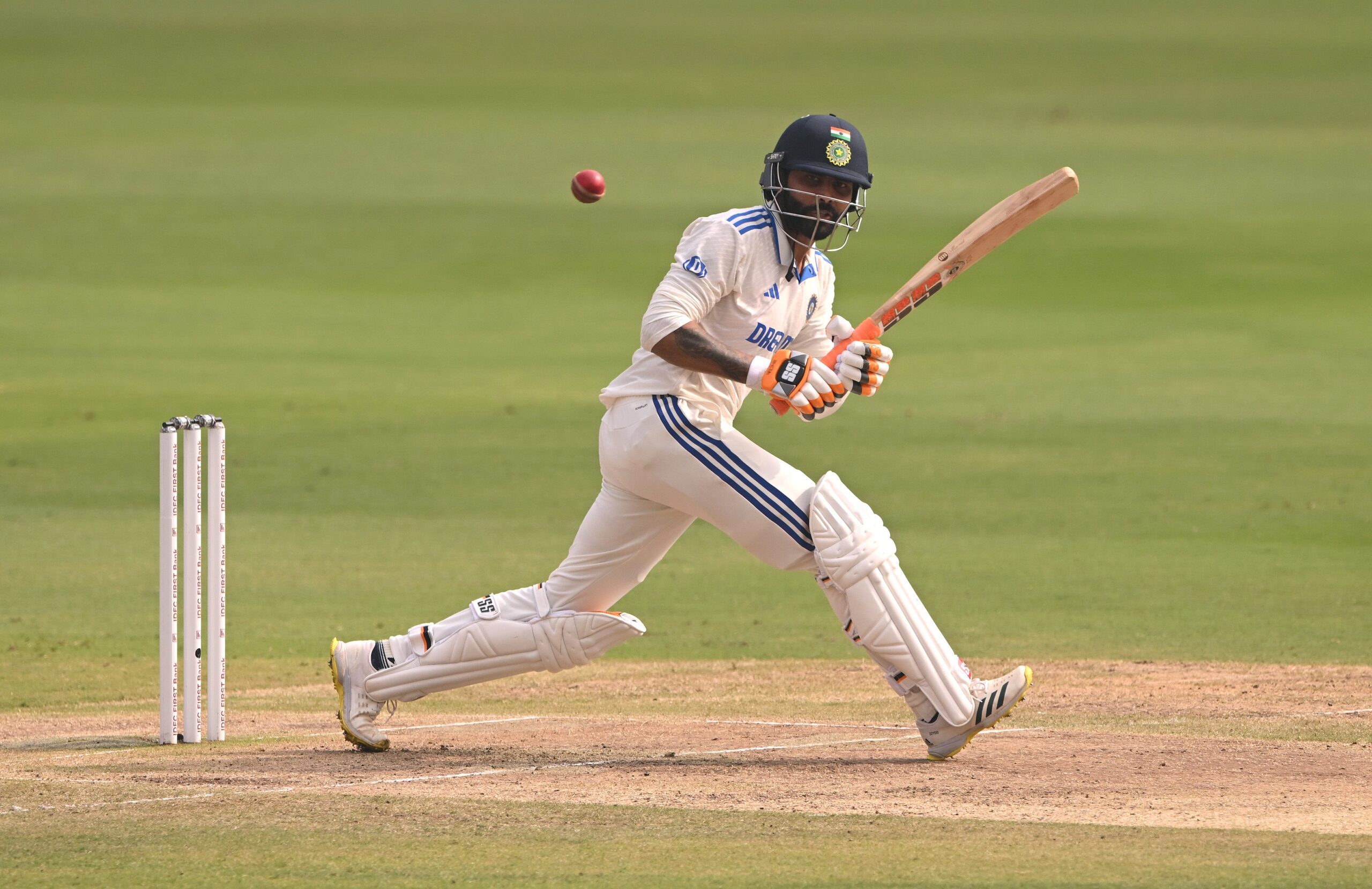
In cricket, one person (the bowler) bowls a ball towards another (the batsman), who stands in front of and tries to protect the wicket, three wooden stumps stuck into the ground with two smaller pieces of wood across the top. In the early fourteenth century, wicket meant ‘a smaller door in a larger one to allow access when the larger one is closed, a gate’ and came to be used in cricket because of the resemblance to a gate. In fact, in modern cricket commentary you will still hear of someone being bowled ‘through the gate’ when the ball beats their defences and passes between the bat and the batsman’s legs to hit the wicket.
The two pieces of wood along the top of the wicket are called bails. Originally, there were only two stumps with one bail joining them. The word appears with the meaning ‘a crossbar’ at the end of the 16th century in the context of falconry. The use of the word in cricket may also be influenced by the sense of ‘outer line of defence, barrier’, from the Old French baillier (enclose, shut).
The ball is bowled rather than thrown because originally it was rolled towards the wicket along the ground. Bowl is from the French boule (ball), derived from the Latin bulla (bubble). The style of bowling has evolved into today’s overarm 90mph bouncers, but the term bowl has been kept, with ‘throwing’ still designated as a cricketing sin.