Who is the teacher-leader? The teacher-leader is not the person at the front. The teacher-leader is the architect who builds the environment in which learners can become the owners of the language.
The problem
Most educators have been trained to be in control at all times. The presentation, practice, production-known as PPP- method of teaching has been prevalent in our classrooms for many years. It is focused on accuracy and language production derives from controlled practice. Then came, task based learning and inquiry based learning which mainly focused on communicative fluency. Yet, despite this shift, the teacher remains at the front directing and correcting at all times. The methods have changed. The notion of accuracy before fluency has not.
The shift
More and more educators, having realised the immense need for a pedagogical shift-talk about student centered learning. This calls for a shift in our roles as teachers. Here are some steps we can take tomorrow.
To start with, we need to start feeling comfortable with silent moments. There are times when students need more time to think or understand concepts, there are times they struggle. We have to resist the urge of filling every silent moment. Even when asking a question, it is worth waiting and not simply call on the first student who raises their hand.
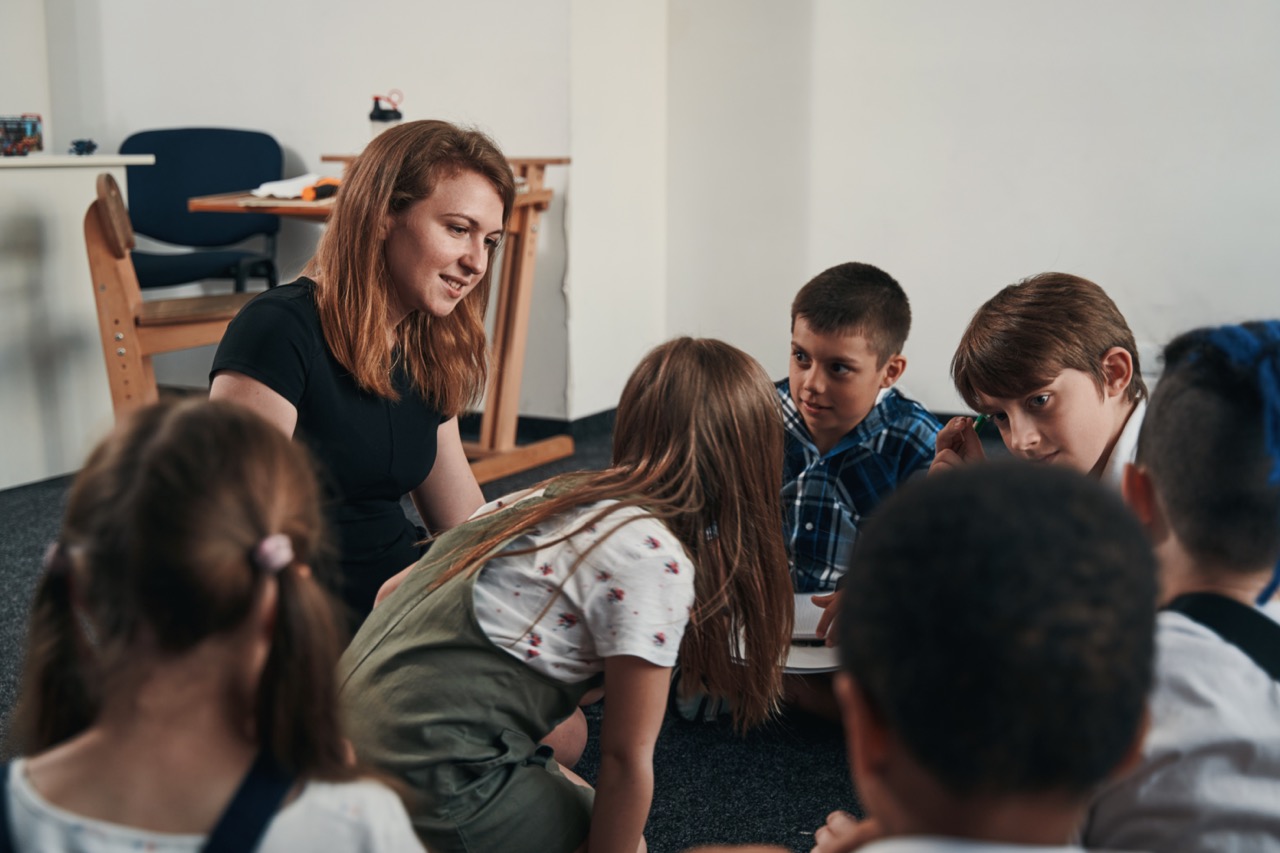
The physical position in the classroom is also important. We can physically remove ourselves from the centre of the room and stand at the edge or the side of the classroom especially during pair work or group work. This position will lead the students to look for answers among their peers instead of looking up to the teacher for validation.
Increasing student talking time is a prerequisite if we want to achieve student autonomy. Any activity can be turned into a pair work or group work activity. For example, let’s consider a fill in the gap grammar task. Students can work on their own or in pairs, then correct in groups justifying their answers. The teacher can stand on the side and does not have to step in unless the whole group agrees on an incorrect answer which is highly unlikely.
Error correction is one of the biggest threats in today’s classroom and it definitely inhibits learner autonomy. Learners are afraid to take part because they don’t want to make mistakes. They feel the teacher might mark them down or their peers might start laughing at them so they hold back. We need to create an environment where the social cost of an error is close to zero. For instance, when we correct a mistake, we can ask the learner how they came up with the answer so that we “correct” the way of thinking rather than the answer. Mistakes are learning opportunities. Nothing more, nothing less.
Times have changed beyond our expectations. It is therefore necessary to adjust and adapt. In the AI era our learners do not need a teacher to impart their knowledge or correct them. They need a teacher who will show them how to become autonomous and take ownership of their knowledge. A teacher who will accompany them through a journey of discovery built on safety. Let’s be that teacher!