Imagine this: You assign an essay on environmental responsibility. The next class, a student who typically struggles with lexis and syntax suddenly submits a flawless piece complete with sophisticated vocabulary like “anthropogenic climate disruption” and perfectly constructed complex sentences. Another learner, who couldn’t organize a simple paragraph last week, now presents an impeccably structured five-paragraph essay with seamless transitions and compelling arguments. You know these aren’t their words, the tone is too polished, too generic, too perfect. Yet when you confront them, at first they deny it . Then they simply shrug their shoulders “Everyone’s doing it, why shouldn’t I?” Why struggle when AI can do it in thirty seconds?
This isn’t a science fiction scenario. It’s the harsh reality facing EFL teachers today. Our students have become experts in copying-and-pasting, but learning nothing about writing, thinking, or expressing themselves authentically. They’re not writers; they’re copycats.
The English language classroom stands at a crossroads. With AI writing tools now ubiquitous and accessible to virtually every student with a smartphone, we face an uncomfortable truth: traditional writing assignments can be completed in seconds by ChatGPT or similar platforms. Rather than fighting this reality with increasingly sophisticated plagiarism detection software—an arms race we’re destined to lose—perhaps it’s time to drastically rethink how we approach writing instruction in the EFL classroom.
The question isn’t whether students are using AI (they are), but rather how we can redesign writing tasks to make AI either irrelevant or, better yet, to help students develop skills that complement rather than compete with these tools. The goal should shift from producing perfect essays to fostering genuine thinking, authentic voice (an existing criterion in many EFL exams), and cognitive skills that will serve learners long after they leave our classrooms.
The Real Value of Writing
Before we discuss solutions, we need to acknowledge what we’re really teaching. Writing instruction has never been solely about producing text. It’s about organizing thoughts, developing arguments, finding one’s voice, and communicating ideas effectively. These skills remain valuable regardless of technological advancement. The challenge is creating assignments where these processes become vi necessary, where AI becomes a poor substitute for genuine engagement.
Strategies for AI-Resistant Writing Tasks
1. Make It Personal and Immediate
AI excels at generic content but struggles with genuine personal experience and real-time reflection. Design writing tasks that require students to draw from their immediate surroundings, recent experiences, or their own perspectives.
Practical Activity
Write a description of your commute to class this morning. Include three sounds, two smells, and one unexpected detail you noticed. Then explain how this journey reflects YOUR relationship with YOUR city. This task requires authentic observation. AI can fabricate an answer but not a convincing or relevant one.
2. Build Process-Based Writing
Instead of evaluating only final products, make the writing process itself the assignment. Require students to document their thinking journey through multiple drafts and reflections.
Practical Activity
Implement “thinking-aloud” journals where students must write their initial thoughts about a topic for ten minutes in class, then develop these ideas through successive drafts. Collect all drafts, not just the polished final version. The messy, authentic work gives you real evidence of their learning.
3. Create Collaborative Tasks
AI-generated text becomes problematic when students work together in real-time or combine writing with other modes of expression.
Practical Activity
Chain Story writing: students begin writing a story individually for five minutes, then pass their work to a classmate who continues it. After three rotations, students reclaim their original piece and must reflect on how the collaboration changed their narrative intentions. The final submission includes the multi-authored story plus the individual reflection.
4. Embrace Constraints and Creative Limitations
Unusual constraints force original thinking that AI, trained on conventional examples, finds difficult to navigate authentically.
Practical Activity
Constrained Writing: Ask students to describe a frustrating experience using only questions or write a persuasive text where every sentence must begin with the next letter of the alphabet. These artificial constraints demand creative problem-solving that AI may meet but not at a satisfactory level.
5. Integrate Immediate Feedback Loops
Design activities where writing leads directly to real-world action or response, making authenticity essential.
Practical Activity
During a class debate or group project, assign students the task of writing real-time observations and analysis. They share these immediately with the group, who provide feedback on accuracy. In this way, writing becomes functional communication.
Shifting Our Assessment Mindset
Perhaps most importantly, we need to reconsider what we assess. Instead of evaluating perfect grammar and sophisticated vocabulary—areas where AI excels—we might prioritize:
- Originality of thought: Does this idea feel genuine and individual?
- Risk-taking: Did the student try something unusual or challenging?
- Metacognitive awareness: Can the student explain and defend their choices?
- Authentic voice: Does this sound like a real person, or AI output?
Practical Tip
Include an “Author’s Commentary” requirement with every assignment where students explain their creative choices, the challenges they encountered, and what they learned through the writing process.
Conclusion: Teaching Writers, Not Writing
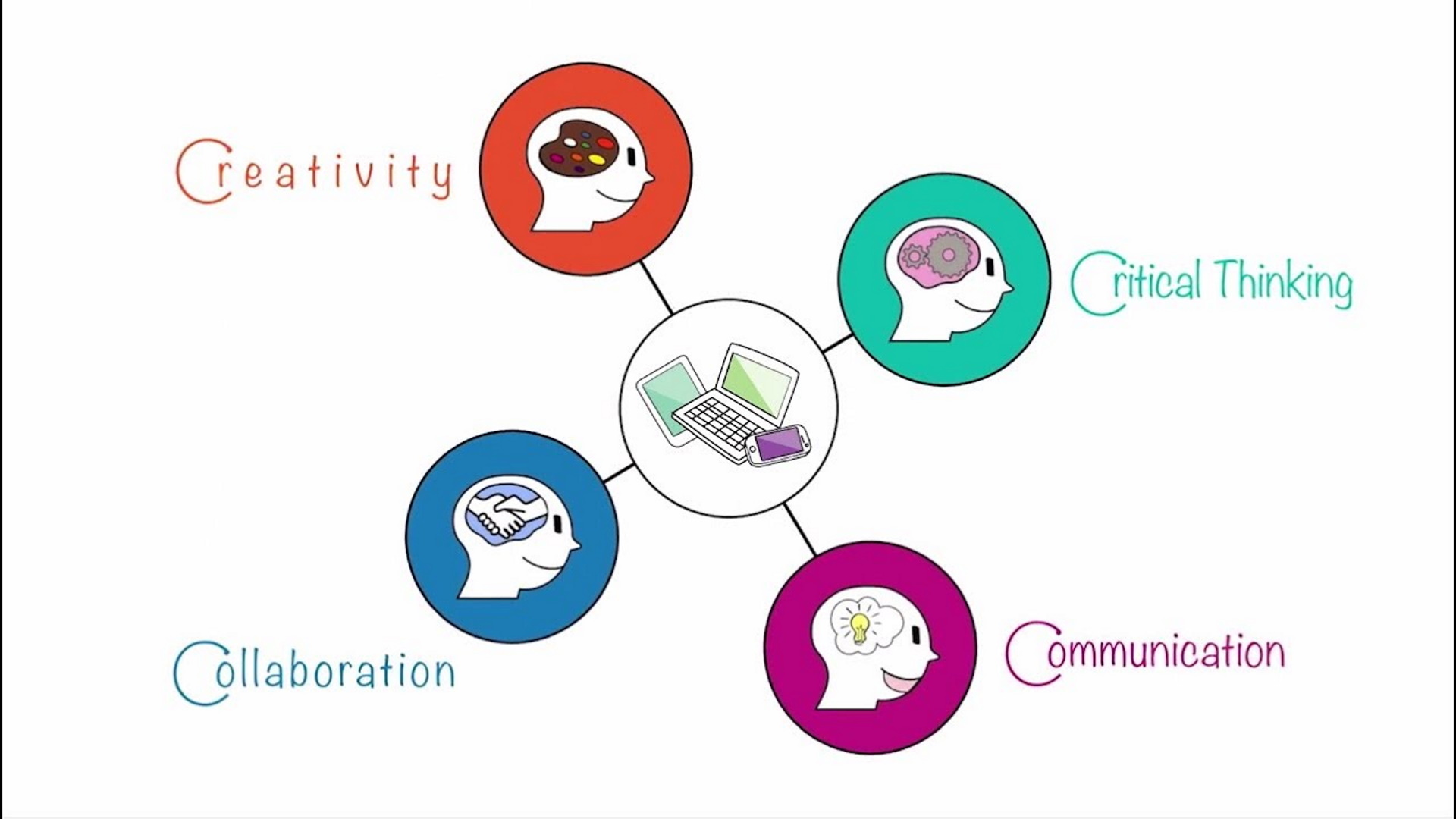
The AI revolution forces us to confront what we truly assess in writing instruction. If our assignments can be easily completed by software, perhaps they weren’t testing the skills we thought they were. By focusing on creativity, critical thinking, personal voice, and the process of writing, we create learning experiences where AI becomes irrelevant—not because we’ve blocked it, but because we’ve designed tasks where human engagement is the entire point.
In my opinion, the future of writing instruction in the EFL classroom is about making the human thinking process so central, and valuable that students genuinely want to engage their own minds. After all, we’re teaching students to think clearly, communicate effectively, and find their authentic voice in a foreign language. Those skills remain exclusively human.
Sources
Magee, Bronagh E. “Chain Stories-A Collaborative Writing Activity.” (1993).