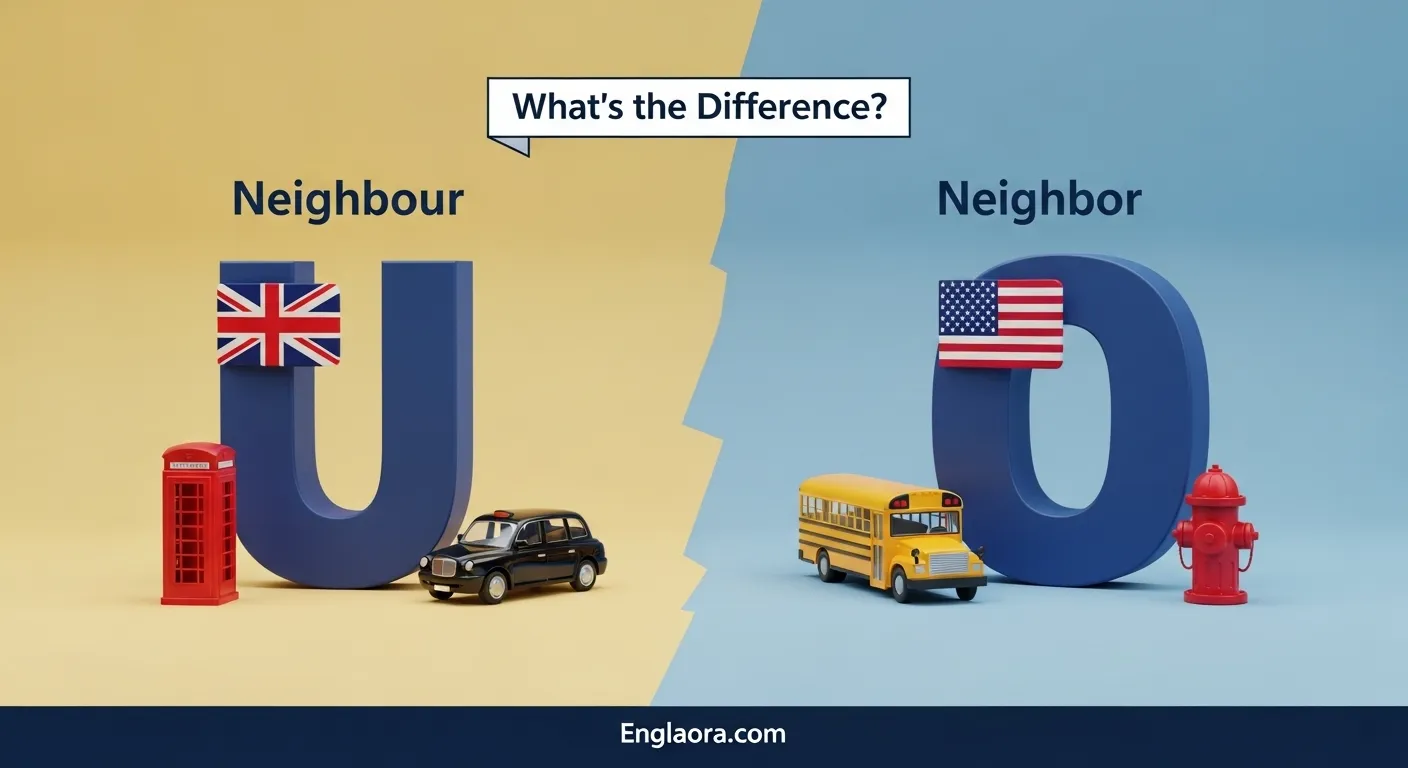
It’s tempting to overplay the differences between US and UK English. Indeed, the linguist Henry Sweet predicted in 1877 that they would be mutually unintelligible within a century. Accents and colloquialisms can lead you to conclude that there is a wider gulf between these two nations divided by a common language than there actually is. The standard forms in both countries are very close. There is one undeniable difference, though, beyond their saying ‘tom-ay-to’ and our saying ‘tom-ah-to’. We don’t agree on how to spell colo(u)r, flavo(u)r, hono(u)r or neighbo(u)r. So, what did they do with our u?
Let’s consider the case of colo(u)r, since the same principles apply to the other -o(u)r words. In Anglo-Norman, there was a range of spellings, including colur, culur, coler, coloure, coleure and collour. This led in Middle English to the forms color, colur and colour. From about the 14th century on, the usual spelling was colour, although color was also still occasionally used.
Enter Noah Webster. Born in 1758, Webster graduated in law and became a teacher and lexicographer. He was determined to reform English spelling in America because he found it illogical and because he felt that ‘an astonishing respect for the arts and literature of their parent country, and a blind imitation of its manners, are still prevalent among the Americans.’ The first part of his A Grammatical Institute of the English Language, later retitled The American Spelling Book, was an enormous bestseller and standardised the u-less spelling. He also prescribed licence and practice for both the nouns and the verbs, while in England we continued to use the –ce forms for the nouns and –se forms for the verbs (although it’s the kind of thing that first-language English speakers get confused about all the time).Had Noah been given free rein, the spelling differences between US and UK English may well have been even greater. In Dissertations on the English Language (1789), he argued for removing all silent letters (bilt instead of built) and other simplifications (laf instead of laugh, karacter instead of chara