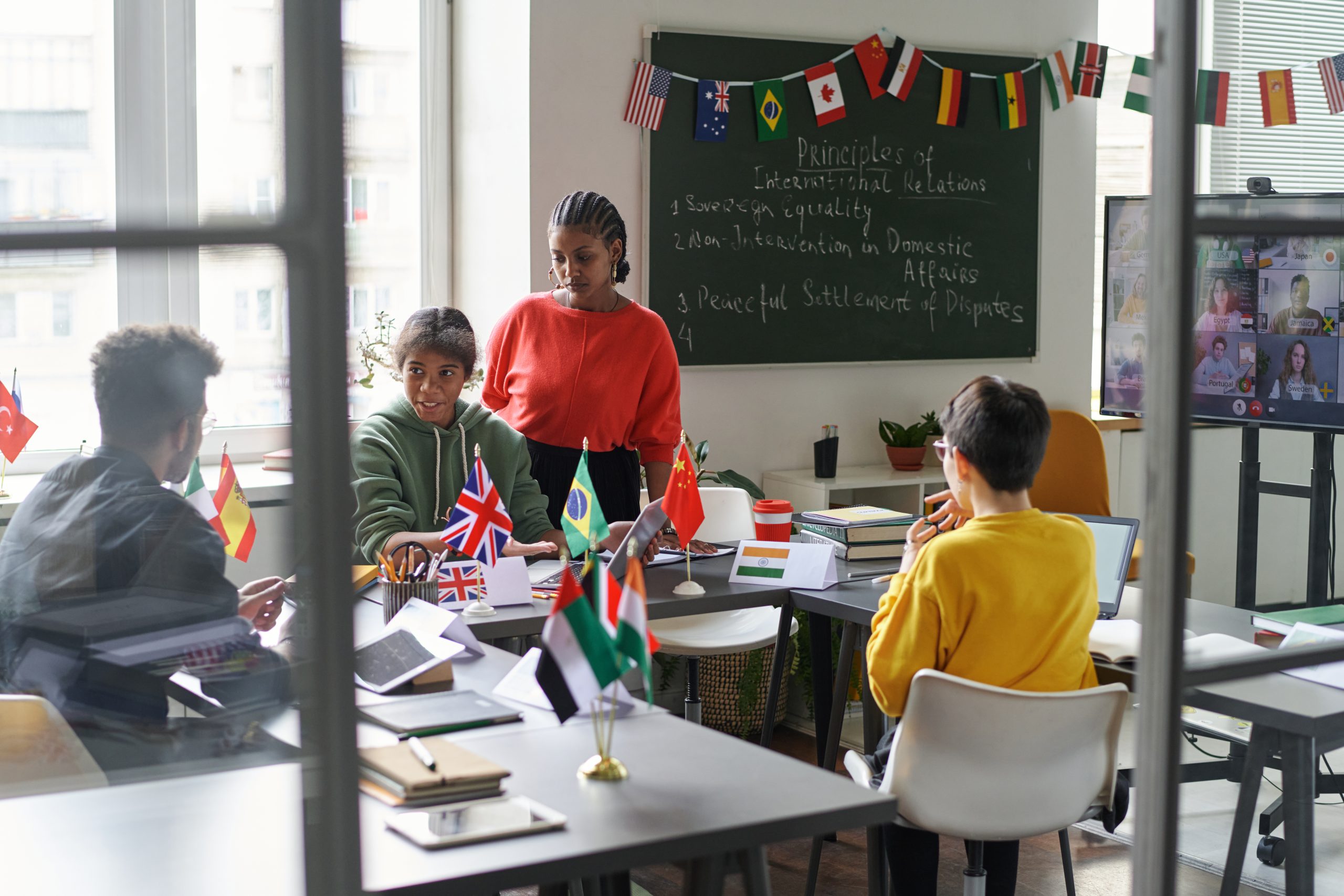
AI is quietly bringing change to classrooms across Pakistan, giving children the chance to learn in their own languages. In both small towns and cities, teachers say that simple tools like chatbots on tablets now let kids study in Sindhi, Punjabi, Pashto, Saraiki or Balochi while also helping them learn Urdu and English. It’s not just easier; it’s more familiar. But things are still fragile. AI tools are mostly in private or NGO-run schools. Rural public schools often have no steady electricity, no reliable internet, and not enough devices or training for teachers. Some schools shared how students take charge in class: “In the classroom, the responsibility of teaching lies with the students, not the teachers,” he said, explaining that children even plan their own lessons. The schools relay on chatbots to build confidence, listening and speaking skills. A few hours away in rural Sindh, a 23‑year‑old built a speech-and-text tool that understands Sindhi so people in remote areas especially youth and shopkeepers can talk to machines in their own dialect. “My tools aim to change that,” he said, adding they help “stay connected to their roots”. And in Karachi’s AI‑powered Rehan Allahwala School, 16‑year‑old Mahrose Zufran created the first Sindhi-language calculator in just three days, saying, “If the government shows interest, this tool could also be commercialised”. Still, the journey has obstacles. Many rural schools lack stable power, internet, or enough computers. Teachers often feel they don’t have the skills or confidence to use the tools well. And most AI doesn’t yet understand regional dialects or local culture, making it feel strange or ineffective to students. Yet, there are hopeful signs. Some schools in Karachi have moved away from old books and let students listen to spoken lessons online instead. Sindhi-speaking shopkeepers now use Mahrose’s calculator for daily transactions. With TCF using Khan Academy’s Khanmigo, teachers can make lessons in Urdu and English, and they plan to introduce local languages soon. The government’s AI training program (PIAIC) is preparing more teachers to bring smart tools into the classroom. Still, people stress caution. Data safety, equal access, and classrooms losing their human touch are real concerns. Pakistan also has no clear rules on using AI in schools, which means important issues could slip by unnoticed. AI offers a bright chance to help children learn in their own languages, while also mastering Urdu and English. But it will only work if schools have reliable power, internet, devices, teachers trained to use AI as a helper, and tools that understand local languages and cultures. To make it work, we need five steps:
• Bring electricity, internet, and computers to village schools.
• Build AI tools that speak local languages and dialects.
• Teach educators how to blend AI into their teaching, not replace them.
• Let community schools show the way with models like TCF’s.
• Create clear rules to protect student data and ensure fair access.
The real test will come when a child in rural Sindh types a short story in their language, instantly checks it in Urdu with AI, and then hears it spoken back. If that brings a smile, Pakistan will be on track to lead in language‑friendly education. Every child deserves that spark and this is how we can give it to them.