


Foreign Languages VS Dementia
Can foreign languages be part of the answer to our century’s fight against dementia? With the number of…... Read more.
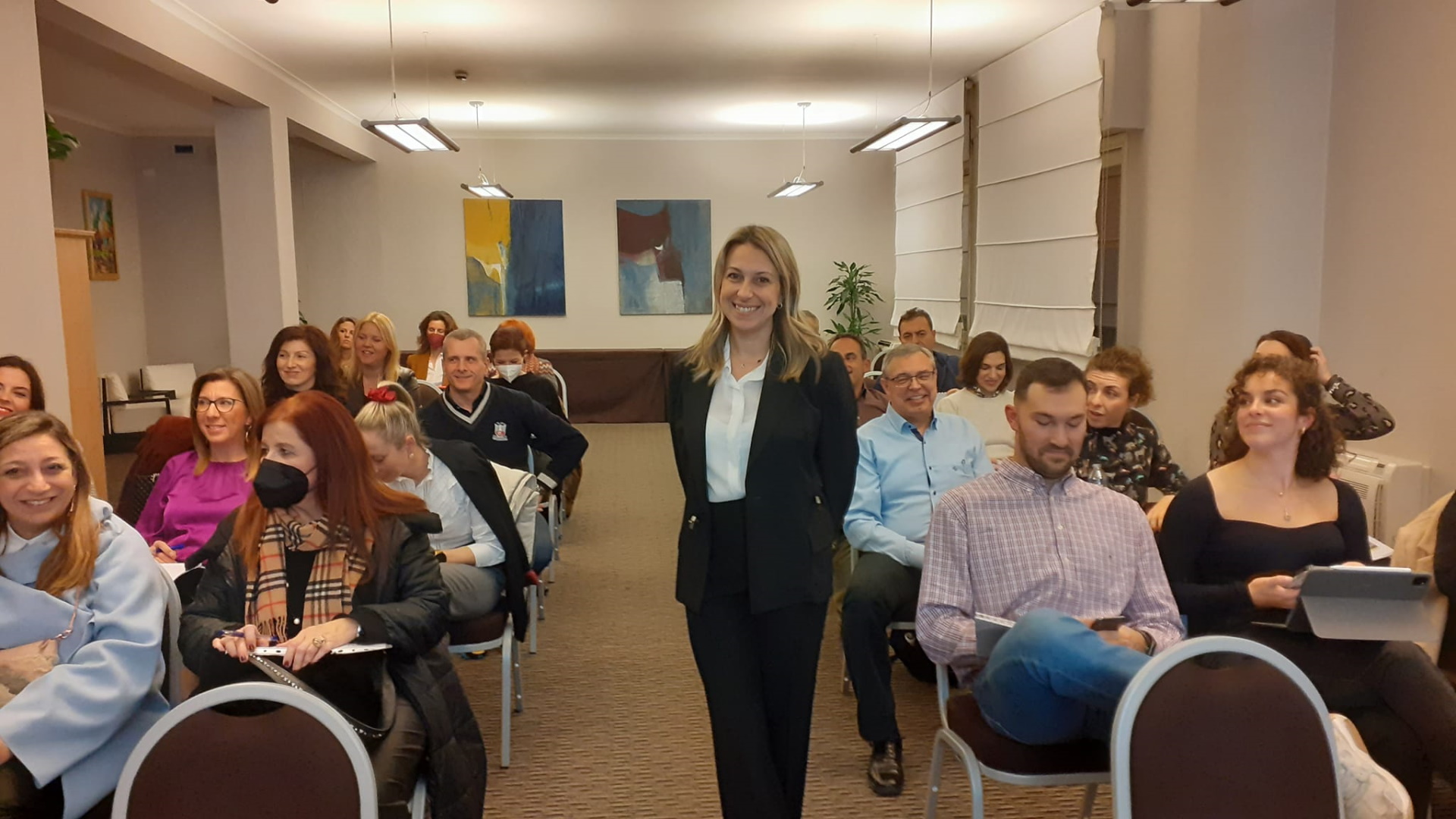
English Language Summer Courses – Where to begin?
StudyTours goes to Rome English is one of the most widely spoken languages across the globe – with approximately 20 per…... Read more.
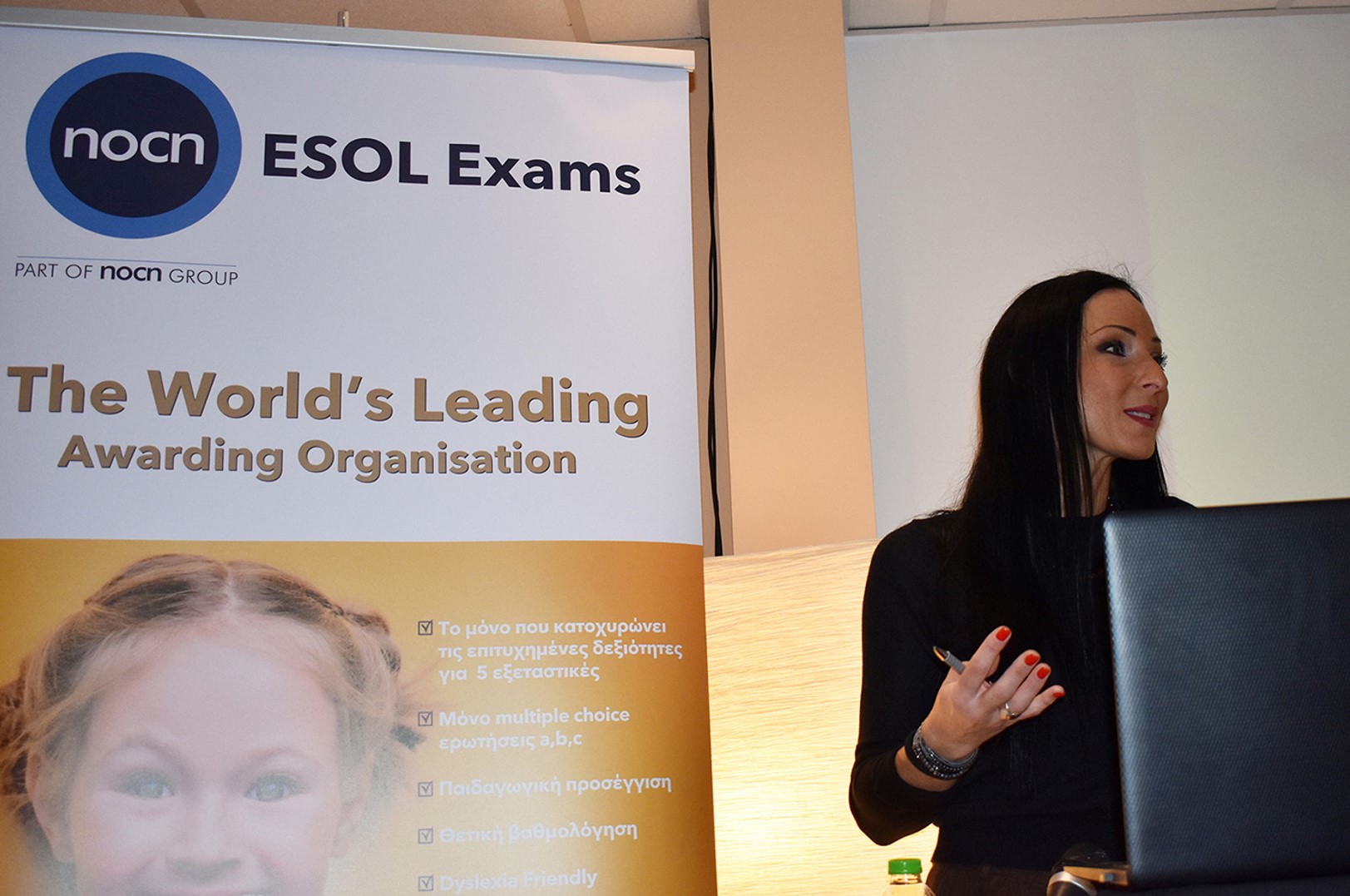
NOCN ESOL International Convention
Last month, November 10th, we had the chance to meet friends, colleagues and dear fellow education travellers in a very…... Read more.
Teaching Young Learners
In the current issue of ELT NEWS, we focus on teaching young learners. A teacher of young learners, especially…... Read more.

If you are a qualified teacher of English, and you have the right to work in the UK, read on!
PLUS offers English courses to young learners aged 10-17. We provide a comprehensive package of tuition, social experience, and accommodation…... Read more.

January – February 2023
Teaching Young Learners In the current issue of ELT NEWS, we focus on teaching young learners. A teacher of young…... Read more.

I is for Intelligences
Have you ever wondered how children learn? As a teacher of young learners, parents often ask me what they…... Read more.

H is for Homework
Few language learners (if any) will achieve their full potential without studying at home. Homework provides the learner not only…... Read more.

G is for Group-work
Group-work is a form of classroom interaction that developed out of the need to get learners to work together and…... Read more.

F is for Foundations
Few of us would question that learning should be enjoyable. How a learner feels about learning will not only affect…... Read more.