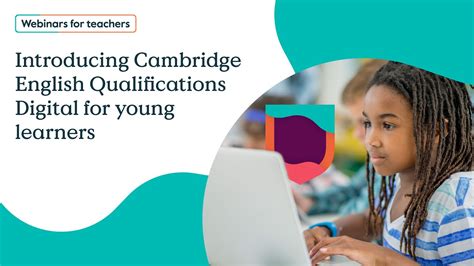
The shift towards digital testing is also moving down the age range.
Cambridge English announced in June that its Digital for Young Learners qualifications had been shortlisted in three categories at the International e-Assessment Awards.
The nominations are one detail. The development of digital assessment for children is the more interesting story.
Computer-based language examinations were once associated mainly with adults, university applicants and professional candidates. Younger learners are increasingly being assessed in similar environments.
That brings a complication. When children take language tests digitally, exam designers and teachers need to distinguish between English proficiency and confidence with the technology used to measure it. A learner should not perform worse in an English examination simply because the interface is unfamiliar.
As digital assessment reaches younger candidates, that problem deserves more attention.