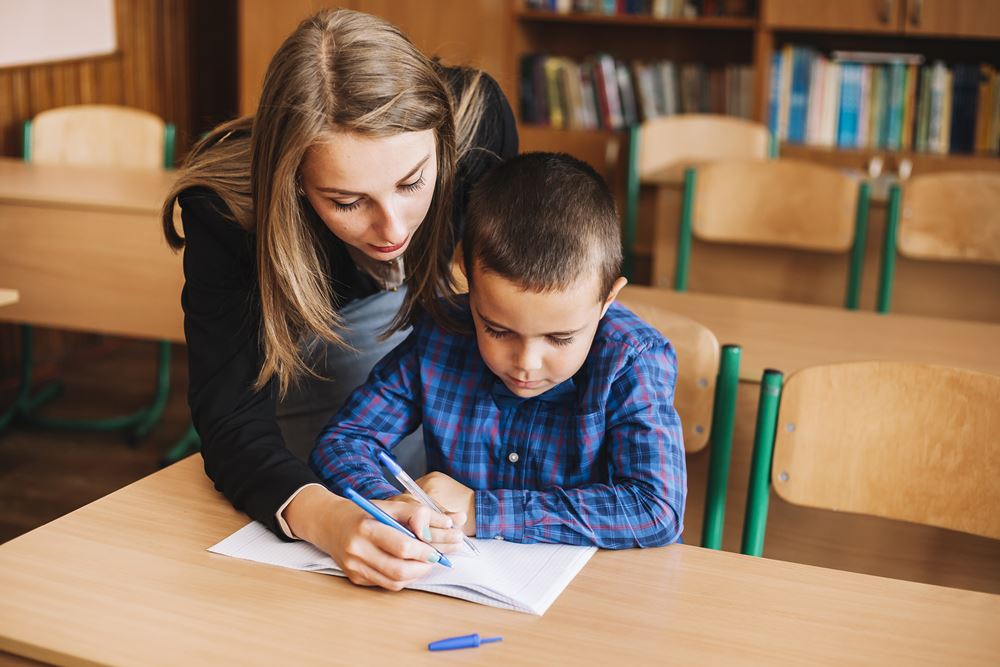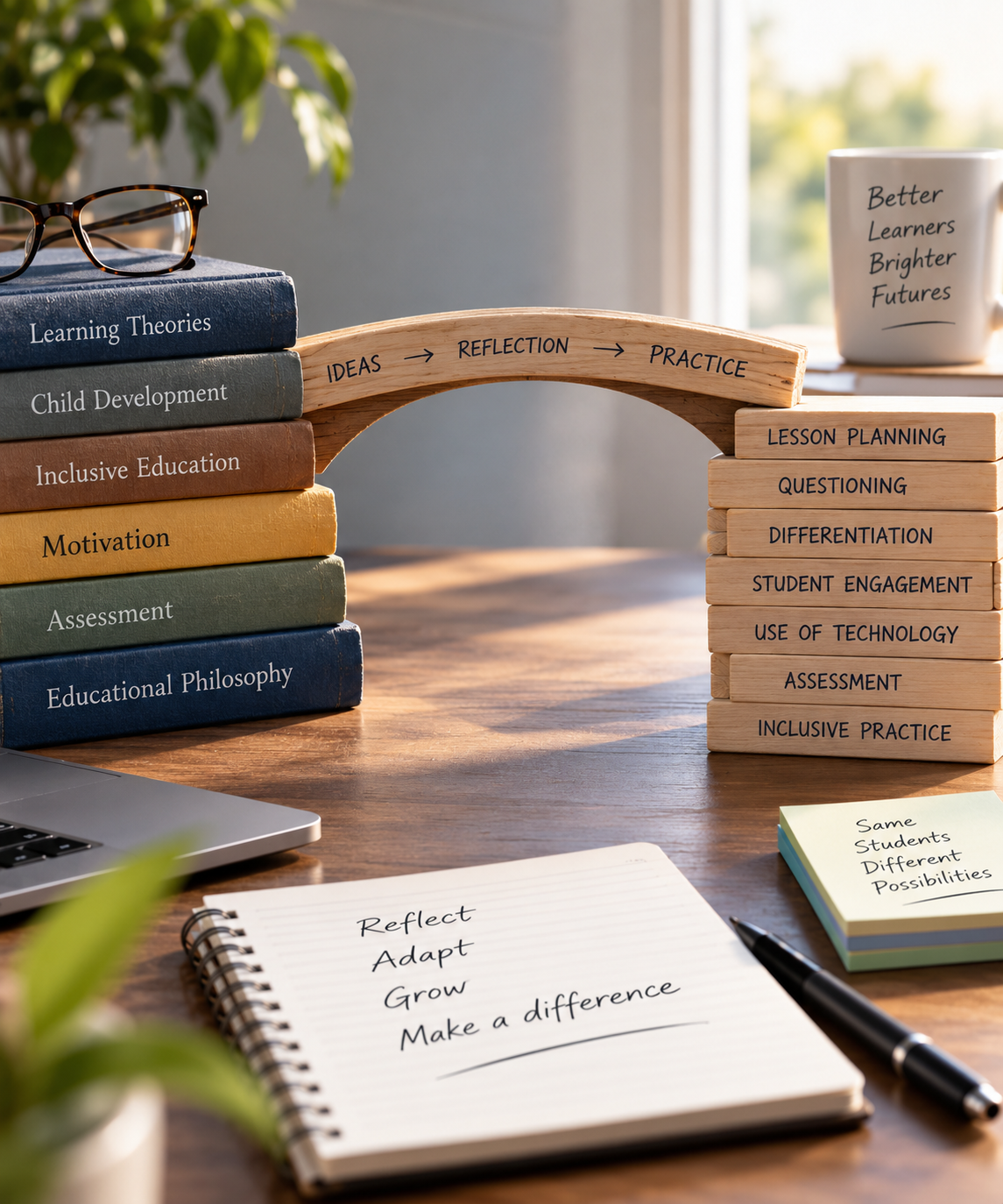
In every classroom, teaching is unfolded by a series of daily decisions / through countless decisions. Educators choose how to explain a concept, when to ask a question, how to respond to confusion, and how much independence learners should have during activities. These moments may appear spontaneous, but they are often shaped by deeper beliefs about learning, student development, and educational purposes. This connection between action and educational theory forms the foundation of pedagogy.
Pedagogical thinking goes beyond simply choosing a collection of teaching methods. It represents the reflective process through which educators connect what happens in the classroom with why it happens. When teaching methods align with pedagogical thinking, teaching becomes more intentional, responsive, and meaningful.
Understanding Pedagogical Thinking
Pedagogical thinking refers to the framework of ideas, beliefs, values, and theories that influence how teachers approach instruction. It shapes how educators view learning, motivation, assessment, communication, classroom culture, and student diversity.
For example, a teacher who believes that students learn best through exploration may design project-based activities rather than relying solely on lectures. Another educator who values collaboration may prioritize group work and discussion over individual memorization tasks. In both cases, practice is not random—teaching practices reflect underlying educational beliefs.
Pedagogical thinking evolves over time. It is influenced by teacher education, classroom experience, educational research, cultural context, and reflection. Skilled teachers continue refining their understanding by observing how students react to different instructional strategies.
Classroom Practice as a Reflection of Educational Philosophy
Classroom practice includes the visible actions that occur during teaching and learning. These actions may include:
Lesson planning
Questioning strategies
Classroom management
Assessment methods
Student interaction
Integrating the use of technology
Differentiated instruction
Each of these practices communicates an underlying philosophy. For instance, a classroom that emphasizes student voice and participation often reflects a learner-centered approach. In contrast, a classroom built around repetition and structured routines may reflect a more traditional or behaviorist approach.
The relationship between practice and pedagogy becomes particularly important when teachers need to explain or adjust their instructional decisions. Rather than relying on habit or tradition, educators with strong pedagogical understanding can justify their methods.
Why the Connection Matters
Connecting classroom practice with pedagogical thinking is essential because it promotes intentional teaching. When teachers understand the educational principles behind their actions, they can make better and more effective decisions.
1. Improves Instructional Quality
Teaching becomes more purposeful when strategies are selected with a clear understanding of learning theory. Teachers can better align objectives, activities, and assessments.
2. Supports Reflective Practice
Reflection supports professional growth. Teachers who examine the relationship between their practice and their pedagogical beliefs can identify strengths, challenges, and areas for development.
3. Enhances Student Learning
Students benefit when teaching methods are grounded in evidence-based principles. Pedagogically informed practice allows educators to respond to student needs instead of using a single method for all learners.
4. Encourages Professional Identity
Teachers who understand their educational beliefs develop stronger confidence in their practice. They become more confident in explaining their choices and adapting to changing educational settings.
Examples of Practice Connected to Pedagogy
Inquiry-Based Learning
In an inquiry-based classroom, students are encouraged to ask questions, investigate ideas, and construct understanding through exploration. This approach reflects constructivist pedagogy, which views learning as an active process.
For example, a science teacher might present a real-world problem and allow students to design experiments to explore possible solutions. The practice of student-led investigation aligns with the belief that knowledge is built through discovery.
Differentiated Instruction
Differentiated instruction recognizes that students learn at different speeds and in different ways. Teachers may adjust materials, process, or assessment according to individual needs.
This practice connects with inclusive pedagogy, which values equity and accessibility. Rather than expecting all students to learn identically, the teacher adapts instructions to support varied learning profiles.
Collaborative Learning
Group work, peer discussion, and cooperative tasks reflect social learning theories. These theories suggest that interaction helps learners develop understanding. When teachers organize collaborative learning opportunities, they are not simply dividing students into groups, they apply a pedagogical belief that knowledge develops through dialogue and shared experience.
The Role of Reflection in Connecting Practice and Thinking
Reflection helps teachers connect classroom experiences with professional growth. Without reflection, teachers may repeat routines without questioning their effectiveness. Through reflection, practice becomes a source of learning.
Reflective teachers ask questions such as:
Why was this lesson successful or unsuccessful?
How did students respond to this strategy?
What assumptions influenced influenced my choices?
Did my methods support all learners?
These questions encourage deeper awareness of teaching decisions and help educators align future practice with educational goals.
Professional reflection can occur informally through journaling or discussion with colleagues, or formally through observation, mentoring, and professional development.
Challenges in Connecting Practice and Pedagogy
Although connecting theory and practice is valuable, several obstacles can make it difficult. Some of these obstacles have to do with time constraints, institutional expectations such as curriculum requirements and school policies, established habits, balancing theory and reality and finally with building stronger connections in teaching.
Conclusion
Teaching is more than sharing information, it is an intentional process shaped by pedagogical thinking. Classroom practice becomes stronger when it is guided by clear educational beliefs, reflective awareness, and responsiveness to student learning.
The connection between practice and pedagogy allows educators to move beyond routine instruction toward meaningful teaching. By understanding not only what happens in the classroom but also why it happens, teachers can create learning experiences that are inclusive, effective, and engaging.
In modern education, successful teaching does not rely solely on methods or theory. Instead, it emerges from the ongoing relationship between action and reflection, practice and purpose, classroom reality and pedagogical vision.