There is a moment, usually quiet, when teachers realise something has shifted. Not dramatically, not with announcements or policy changes, but through small disruptions. A worksheet appears in seconds. A student submits an essay that feels… too polished. A grammar explanation comes not from the teacher, but from a screen.
It raises an uncomfortable question. If machines can now perform so many of the visible tasks of teaching, what exactly remains ours?
The instinctive response is often defensive. Replacement. Obsolescence. Redundancy. Yet this misses what is actually happening in the classroom. AI does not teach. It produces. It predicts. It responds to prompts without understanding why those prompts matter in the first place. The difference is not technical. It is fundamental. Teaching is not the delivery of language, it is the shaping of experience around it.
That distinction becomes clearer the moment something goes wrong. A slightly inappropriate example. A task that does not quite land. A student who disengages halfway through. The machine carries on regardless. The teacher does not.
What is emerging instead is a shift in expertise. Not less teaching, but different teaching. The ability to design prompts is part of it, yes, but that alone is not enough. Anyone can type a request. The difference lies in knowing what to ask for, why it matters, and how it will play out in a specific classroom, with specific learners, on a specific day.
This is where things become less tidy. AI can generate content quickly, but it cannot judge its own appropriateness. It does not recognise when an activity feels flat, when an example carries unintended cultural weight, or when language misses the emotional tone of a group. That responsibility does not disappear. It shifts, quietly but decisively, back to the teacher.
There is also a practical tension that is not often discussed openly. The more efficient content generation becomes, the easier it is to overlook the process behind learning. Writing, for instance, has always involved friction. Drafting, hesitating, revising. Now that friction can be bypassed. The result may look better, but something essential risks being lost along the way.
And then there is the part we rarely name explicitly. The human layer.
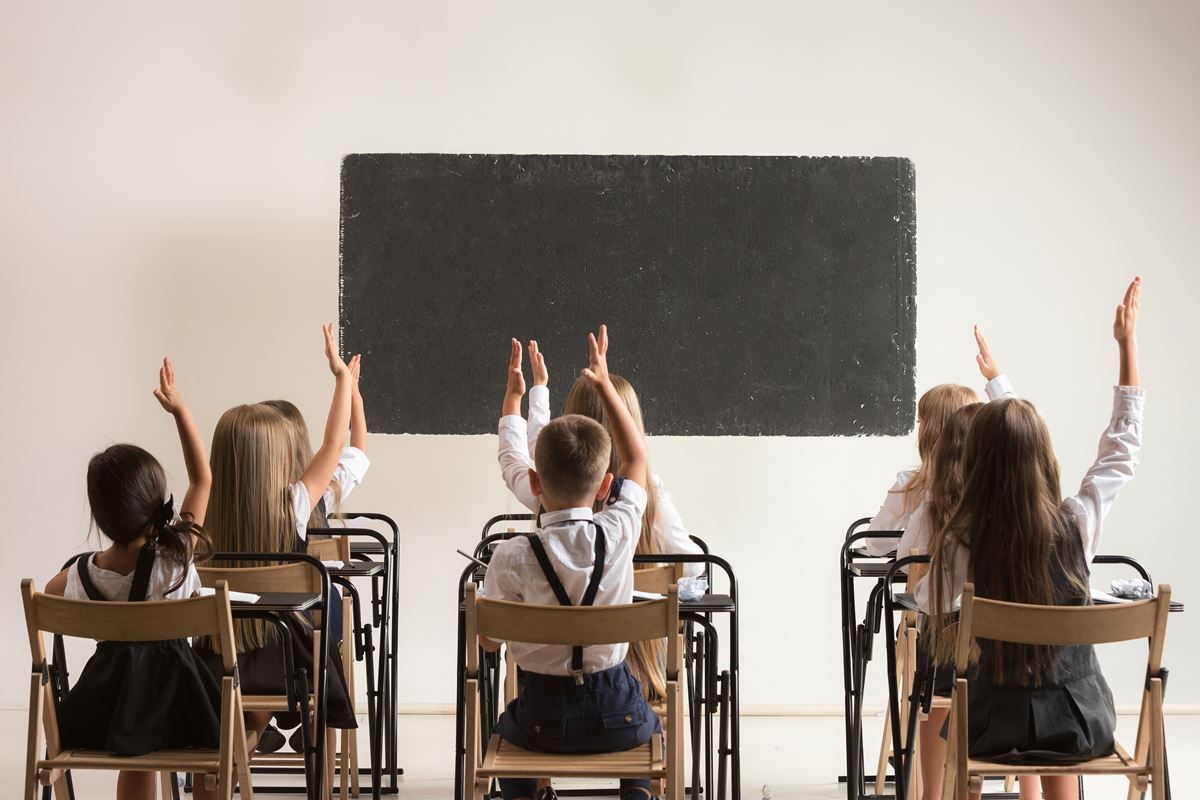
A classroom is not just a space where language is practised. It is where confidence is built in uneven steps. Where students test identities, take risks, retreat, and try again. A machine can simulate conversation, but it cannot read the room. It does not notice the student who suddenly goes quiet or the one who is performing confidence rather than feeling it.
Teachers do. Constantly, often without realising it.
This is why the conversation around AI and academic integrity feels so unsettled. The problem is not simply whether a piece of work is original. It is whether it reflects learning at all. When output becomes detached from process, assessment itself starts to wobble. We are not just evaluating language anymore, but the invisible decisions behind it.
So teaching begins to look different. Less about providing answers, more about designing conditions. Tasks that cannot be outsourced entirely. Activities that require thinking, interaction, reflection. Not because AI is a threat, but because it exposes what was always essential.
There is no neat resolution here. Only a recalibration. The presence of intelligent machines does not reduce the importance of the teacher. If anything, it removes the illusion that teaching was ever about information delivery in the first place. It sharpens the focus. Guidance. Judgement. Relationship. Timing.
Those are features that cannot be automated. They are decisions, made in context, moment by moment.
So perhaps the question is not what remains for teachers. It is what becomes more visible now that everything else is easier. And the answer is not smaller. It is more demanding, more nuanced, and unmistakably human.