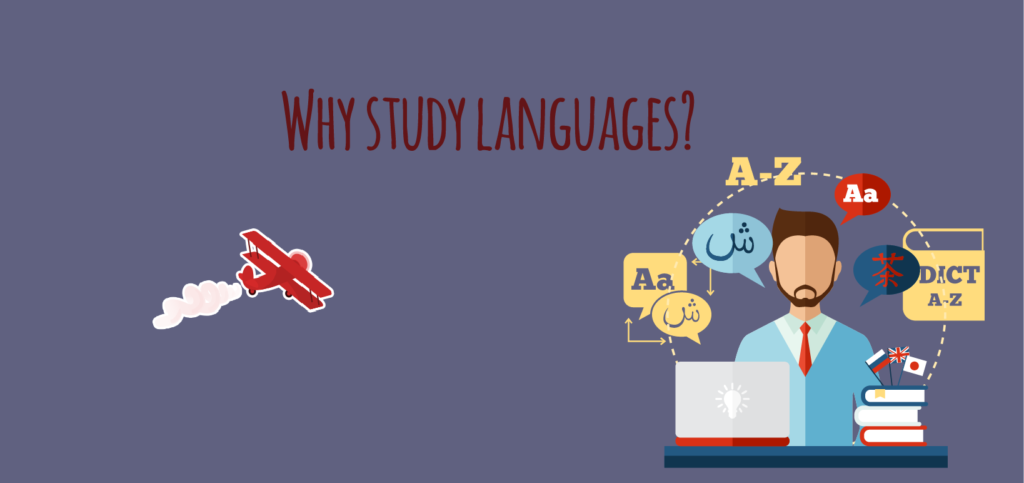
UNESCO’s latest language-focused piece pushes back against the lazy assumption that AI translation weakens the case for language learning. Its position is clear: AI may support spoken practice and give feedback on written and spoken production, but it does not replace the human dimension of communication. That distinction is critical for ELT. The article reframes AI as an extension of teaching rather than a substitute for the process of learning a language. In practical terms, it gives teachers and school owners a more grounded argument for defending language study at a time when students increasingly ask why they should learn a language if machines can translate it. UNESCO’s answer is simple and important: language learning is still about meaning, relationships, identity, and communication, not just transactional decoding.