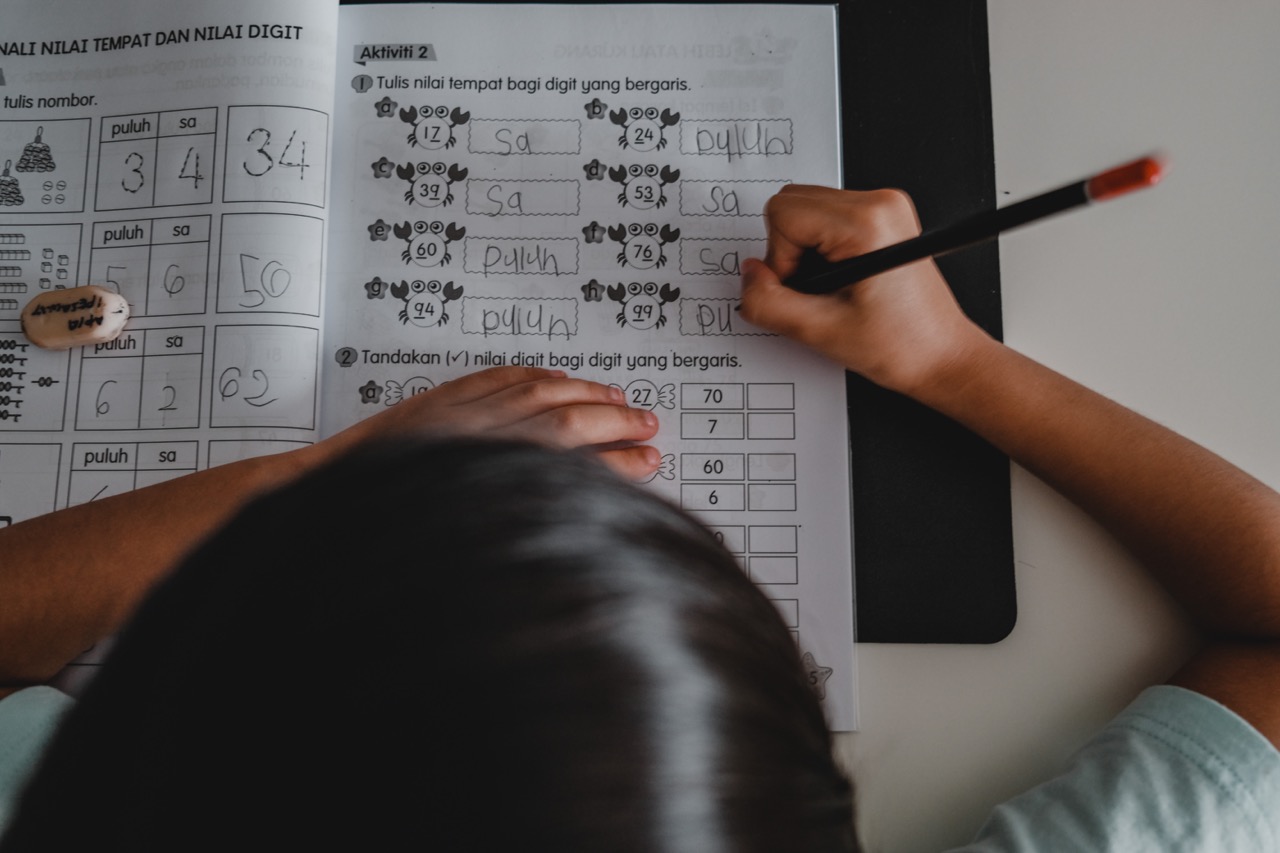
In many language classrooms, the coursebook decides what counts as “real” learning. No one really questions it. The book shows the direction, the units show progress and finishing it by the end of the year gives everyone a sense that the job is done. Without it, even a good lesson can feel a bit uncertain, as if something is missing because there is no clear record of what was “covered.” That feeling is strong, but it comes from habit, not from how learning actually works. Teachers are trained to teach step by step, using examples that are already chosen. But learning doesn’t follow that kind of order. Students don’t wait until they understand everything before they try to use language. They speak, hesitate, make mistakes, try again, and slowly improve. A coursebook helps organise this process, but it also changes it. It makes learning look neat and controlled, even though it rarely is.
At the same time, the classroom has its own limits. A lesson lasts forty-five minutes. There is a syllabus to follow, expectations to meet, and often an exam waiting at the end. In that situation, the coursebook makes life easier. It gives teachers a clear path so they don’t have to decide everything on the spot. Move through the units, follow the “can-do” statements, prepare students for the test. It’s practical, and in many cases necessary. But the moment something unexpected happens, the limits of that structure become clear. A student says something interesting. A question comes up that the book doesn’t cover. A discussion starts to grow, but it doesn’t fit the plan. The book can’t adjust to that moment. It just stays where it is.
That’s where the teacher has to decide. Stick to the plan, or follow what is happening in the room. If the coursebook always comes first, the lesson stays organised, but it also becomes predictable. Teaching turns into a process of finishing units, and learning is measured by how much of the book is done. Students start to think that progress means moving forward in the book. But outside the classroom, there is no unit to follow, and things don’t feel as clear.
Using the coursebook differently doesn’t mean throwing it away. It means not letting it control everything. The book can still give structure, but it doesn’t have to decide what happens in every moment. Planning changes slightly. Instead of trying to get through the next section, the focus shifts to what the lesson actually needs. That might mean staying longer on something useful, skipping something that isn’t working, or bringing in something new. It also means paying attention to what students say and letting that shape the lesson when it matters.
In this kind of classroom, language is used more naturally. Students talk, react, ask questions, and build on each other’s ideas. The material is still there, but it’s not the only thing guiding the lesson. From the outside, it may look less structured, but it isn’t. The structure is just less obvious. It comes from the teacher’s decisions and from what the students bring into the lesson.
Coursebooks are not going anywhere. They are too useful for organising teaching and preparing students for exams. But how we use them matters. If we let them decide everything, the lesson becomes smaller than it could be. If we use them as a tool instead of a script, there is more room for real learning to happen.
And that kind of learning doesn’t always stay inside the page.